
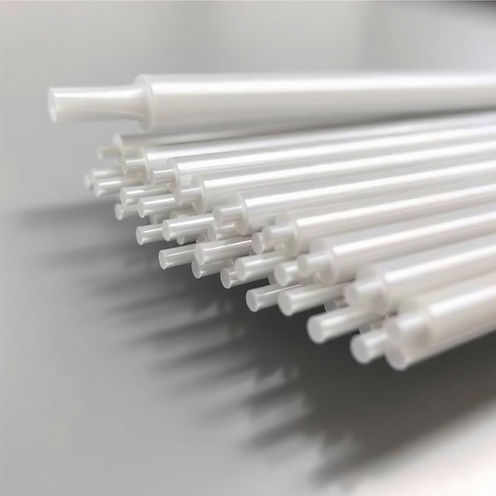
When deciding on the type of ceramics to use, it is easier to make that choice when it is dictated by the application rather than by the ceramic name. They are all very strong in the industrial environment, but have varying strengths that are appropriate for different engineering applications. The final choice depends on various factors, such as heat resistance, wear resistance, impact resistance, and manufacturing techniques. Typically, the best results come when you go beyond a mere description of the product. When considering Custom Sputtering Targets, many manufacturers also conduct a similar consideration of Ceramic materials before buying special engineering materials.
Compare Basic Properties
Alumina and zirconia have several desirable properties, and a combined material has different properties under industrial conditions than either of them individually. Alumina is used for its superior electrical insulation, hardness and wear resistance. The number one strength of zirconia is that it is extremely tough and not prone to cracking when mechanically stressed. It gives a better base for comparing more detailed technical specifications of individual manufacturing projects when they are considered.
Measure Strength Differences
Understandably, mechanical properties are one of the deciding factors when choosing between alumina and zirconia. Alumina is very resistant to abrasion, making it ideal for parts that are required to withstand repetitive rubbing. Repeated impacts or heavy mechanical loading, as part of the normal operation of the process, result in better performance of zirconia. Engineers typically make comparisons between what they expect to work rather than assuming one ceramic is always better than the other. Practical selection is based on the effect matching of the material properties and the real industrial demands.
Evaluate Thermal Performance
In high-temperature environments, ceramics should be stable enough to operate for long periods of time. Alumina exhibits good performance at high temperatures and has stable dimensional performance. With low thermal conductivity and better fracture toughness, zirconia can also withstand harsh temperature conditions, but it has other benefits. When purchasing Metal sputtering targets for PVD coating, companies often look closely at the temperature characteristics, as this can impact manufacturing accuracy as well as the equipment’s lifespan.
Consider Wear Conditions
Depending on the design and production of the equipment, there are many different types of industrial wear. Alumina usually has a very good performance in situations where the components are exposed to continuous contact with abrasive particles. Applications involving repeated impacts, vibration or sudden changes in loading make zirconia an attractive option. Before materials are bought, the wear that is likely to occur can be assessed, therefore reducing the need for unnecessary maintenance and replacement. Relying solely on hardness for the selection of components might overlook other operating conditions that impact long component life.
Match Manufacturing Needs
The production method should be considered in the selection of ceramics before the materials are ordered. The advantages of various ceramics depend on the requirements for machining, tolerances, assembly and design of the finished parts. Manufacturing drawings are often compared with technical specifications by engineers because efficiency in the manufacture process is directly related to the success of the project. When businesses buy Custom Sputtering Targets, they typically go through a similar planning process, as there is a multidisciplinary need for the careful match of material properties from start to finish in the manufacture of specialized products.
Review Cost Balance
Material costs are a factor to consider, but processing costs and service life should also be taken into account. Many industrial applications call for hardness and chemical resistance, and alumina can sometimes be an economical solution. Zirconia’s price tends to be higher due to its high level of mechanical strength and difficulty in production. It is most important to compare the value of the enterprise rather than the first expense of the purchase in most industrial applications to make better engineering decisions.
Verify Supplier Support
When it comes to selecting materials, reliable suppliers offer more than just the goods. Buyers’ technical documents, inspection reports, certifications and application guidance give them greater confidence in comparing ceramic products. Communication also makes it easier to make decisions where the engineering requirements are special or unusual. When choosing a supplier for Metal sputtering targets for PVD coating, it is common to appreciate the supplier’s technical information and details through the purchasing process to ensure accurate manufacturing.
Conclusion
It is important to not compare one technical property of alumina ceramics to zirconia ceramics, but to understand how each property interacts with the others to affect the strength, wear resistance, thermal performance, manufacturing process and operating conditions. Regmetals.com offers industrial solutions in materials such as Custom Sputtering Targets, Advanced Ceramics and Specialized Materials for challenging engineering applications. Before buying technical documents, it’s best to take a moment to assess them, which will be useful for the long-term efficient functioning of manufacturing projects and make the material choices more practical. One of the most successful selection methods for any industrial application, of course, remains careful planning, in which the correct ceramic is selected.